
If you’re applying for remote evaluator jobs with companies like Appen or Telus International, you’ll need to pass a qualification exam first. These tests filter applicants who can think critically, follow detailed guidelines, and judge online content accurately.
The good news? With proper preparation, even beginners can pass on the first try. This article breaks down exactly how to prepare for and pass the Appen and Telus evaluator tests, including examples and common mistakes to avoid.
If you’re new to the concept of this role, start with What Is a Remote Online Evaluator? to understand the job before testing.
10 Steps to Pass Remote Evaluator Tests (Appen & Telus Guide)
1. What the Remote Evaluator Test Includes
Both Appen and Telus use qualification exams designed to measure your understanding of search intent, web quality, and user experience.
The test typically has:
- Multiple-choice questions on relevance and usefulness.
- Scenario-based tasks where you rate search results.
- Comprehension exercises to test your grasp of the guidelines.
Each test uses a large document called the General Guidelines, which you must study before beginning. You can usually download it directly from your applicant dashboard.
2. Understanding Search Intent
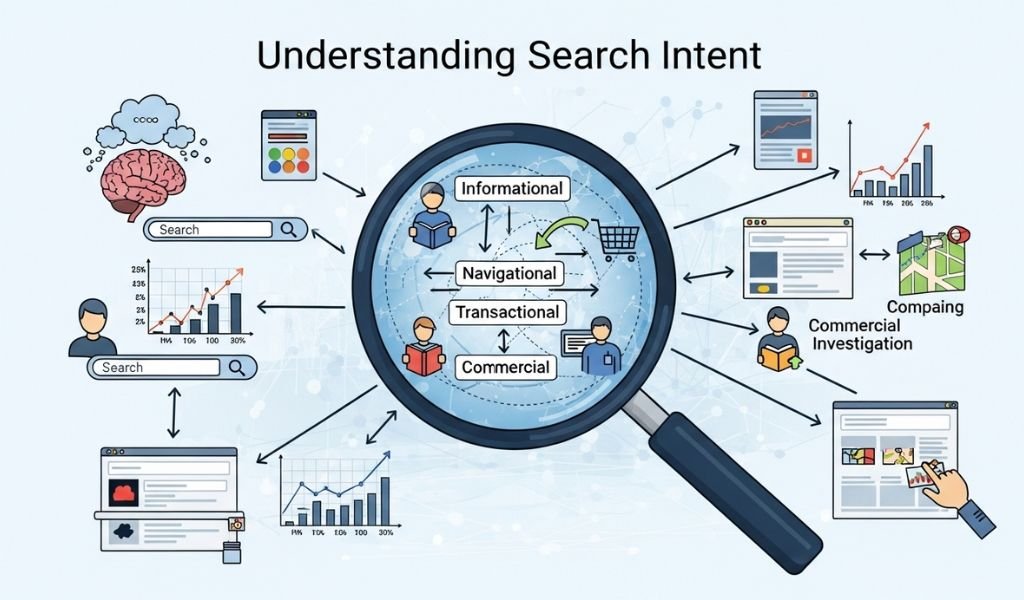
One of the most common parts of the test is analysing user intent, what the searcher actually wanted to find.
For example, if the query is “best running shoes 2025,” a review or buying guide is more relevant than a manufacturer homepage.
Learning to distinguish between informational, navigational, and transactional intent is key to scoring well. You’ll find this principle explained in detail in How to Become a Remote Online Evaluator With No Experience, which walks through real-world evaluator examples.
3. Focus on Page Quality and Relevance
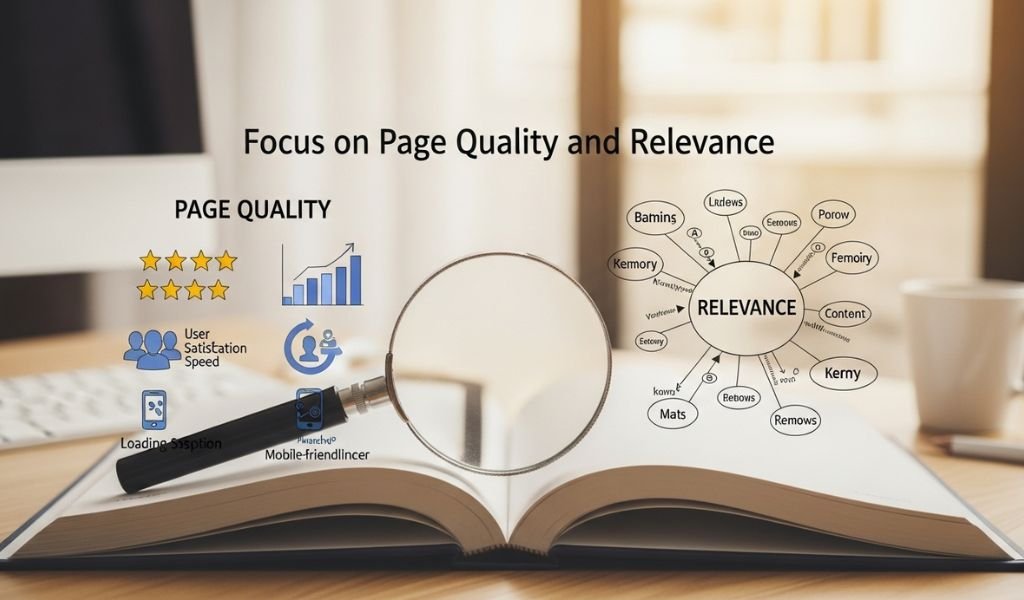
Appen and Telus both evaluate your ability to judge page quality using factors like:
- Accuracy: Is the information factually correct?
- Authority: Is the source trustworthy?
- Usefulness: Does the content fully answer the query?
For example, a page full of spammy links or copied content should receive a “Low Quality” rating.
Improving your understanding of these criteria also makes you a better SEO analyst, similar to how experts define Search Engine Optimization in digital marketing: improving relevance, quality, and accessibility of online content.
4. Practice with Sample Tasks Before the Test

Before starting your official qualification, try completing free practice tasks on forums like Reddit or evaluator communities. Many users share sample questions similar to what appears in the official test.
Use a notepad or spreadsheet to record your reasoning for each answer, it helps you develop analytical consistency.
You can also study the company-specific format using guides mentioned in 10 Legit Companies Hiring Remote Online Evaluators, since each organisation’s instructions vary slightly.
5. Learn Time Management

Most exams are time-bound, lasting 30 to 60 minutes per section.
Don’t get stuck on one confusing question, move ahead and come back later.
A helpful trick is to read the answer options first, then scan the query and page. It saves mental energy.
This skill isn’t just for testing, it helps you stay productive later, as discussed in Remote Evaluator Productivity Tips: How to Stay Focused at Home.
6. Follow Instructions Exactly as Written
The most common reason candidates fail is not the wrong answers, it’s ignoring small details in the guidelines.
If a question says, “Rate the main content of this page,” don’t include sidebars or ads in your judgment.
Appen and Telus both grade strict adherence to instructions, not just logical reasoning.
Treat the guidelines as your bible, refer to them constantly until you understand each example category.
7. Common Mistakes to Avoid
Beginners often make these errors:
- Overrating low-quality content because it “looks good.”
- Confusing page intent with site purpose.
- Forgetting to check E-A-T (Expertise, Authoritativeness, Trustworthiness).
- Rushing through examples without reading explanations.
Each wrong assumption lowers your reliability score, something both Appen and Telus track even after you pass.
8. What Happens After You Pass

Once you pass the qualification test, you’ll receive an onboarding email from the company.
From there, you’ll sign an independent contractor agreement and start receiving tasks in your dashboard.
Your first few weeks may include training or “honeymoon” tasks that are manually reviewed for accuracy. Completing them carefully increases your chances of long-term project assignments.
If you want to compare pay across companies after passing, read How Much Do Remote Evaluators Get Paid? Full Salary Breakdown.
9. Retaking the Test

Don’t panic if you fail the first attempt, most companies allow a retry after 30 to 60 days.
Use that time to re-read the General Guidelines and practice scoring examples shared in online evaluator groups.
In fact, many people pass on their second attempt once they’ve reviewed their weak points.
10. Final Prep Checklist Before Taking the Exam
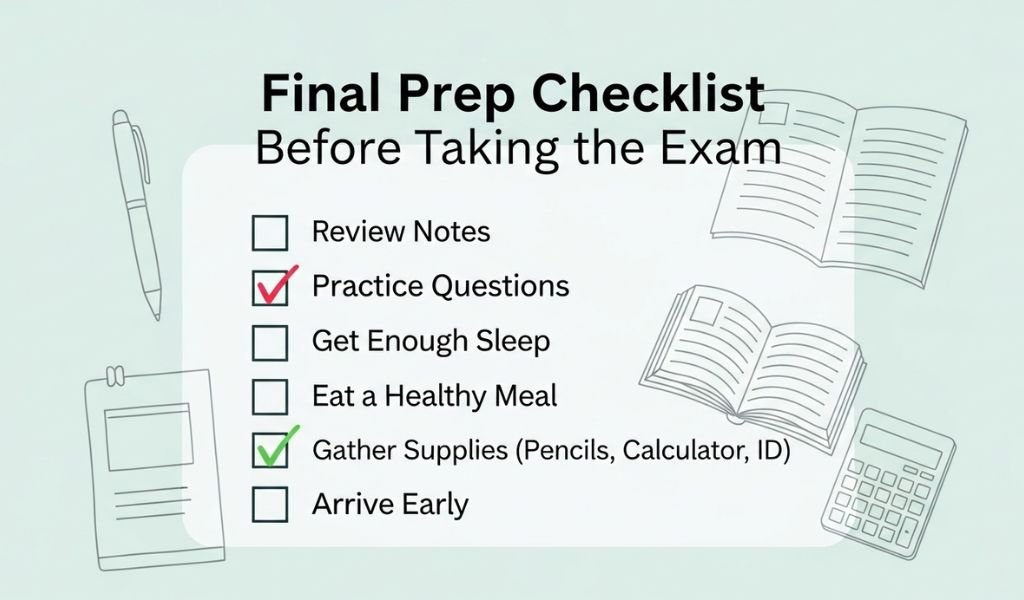
Here’s a short pre-test routine to follow:
- Read all company-provided materials twice.
- Review examples of search intent and page quality.
- Prepare a quiet workspace and stable internet.
- Keep the General Guidelines PDF open in another tab.
- Manage your time, skip and revisit complex tasks.
After you complete your test, don’t forget to check your email regularly; responses can take up to two weeks.
Conclusion
Passing the remote evaluator test for Appen or Telus isn’t about luck, it’s about preparation, patience, and attention to detail.
Once you qualify, you’ll unlock access to consistent, flexible projects that pay well and teach you valuable analytical skills.
If you’re just beginning, start with How to Become a Remote Online Evaluator With No Experience to set up your application, and then come back to this guide when you’re ready to take the test.