
In today’s remote-first world, professionals are redefining how and where they work. While working from home offers freedom and flexibility, it also introduces distractions that can easily drain focus and motivation. For remote evaluators and online professionals, maintaining consistent performance depends on creating balance between comfort and discipline. The shift toward home-based work demands a new kind of productivity mindset one built on structure, self-awareness, and smart use of tools that make daily tasks smoother and more efficient.
To truly succeed in this environment, workers must learn how to organize their routines, manage mental energy, and build habits that support long-term efficiency. This is where mastering work from home productivity becomes essential. It’s not about squeezing more hours into the day, but about optimizing focus, minimizing burnout, and building a system that allows creativity and consistency to thrive. By designing a workspace that supports attention, setting realistic goals, and prioritizing rest alongside effort, remote professionals can transform their home offices into hubs of success and stability in 2026 and beyond.
Understanding the Role of a Remote Evaluator
A remote evaluator reviews online content, advertisements, or search engine data to ensure quality and accuracy. These professionals often work part-time or freelance for global companies like Appen, TELUS International, and RaterLabs.
While the work offers freedom and flexibility, it also demands precision, self-discipline, and time control. Evaluators must balance focus, performance, and motivation without direct supervision.
Key skills required include:
- Analytical thinking
- Detail orientation
- Consistent attention span
- Good written communication
- Technical proficiency with tools and browser extensions
Why Work From Home Productivity Matters
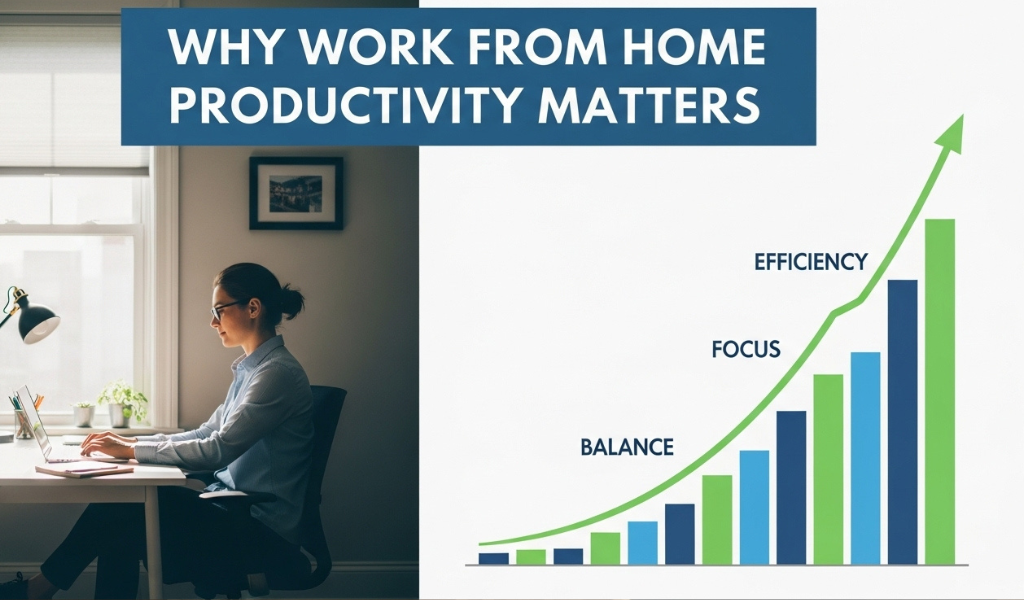
Being productive while working remotely is about more than just getting tasks done it’s about building consistency and focus in an environment full of distractions. When you manage your time wisely and stay disciplined, you maintain control over your day, reduce stress, and deliver better results without the structure of an office. This focus not only improves your work quality but also boosts confidence and job satisfaction.
At the same time, productivity has a direct impact on your overall well-being. Creating clear routines, setting boundaries, and managing distractions help maintain a healthy work-life balance. When you stay organized and intentional with your time, you gain more freedom and flexibility turning remote work into a lifestyle that supports both your personal and professional goals.
1. Build a Dedicated Workspace
A cluttered environment equals a cluttered mind. Set up a small but comfortable space just for evaluation tasks. It signals your brain that it’s time to focus.
Tips for an effective workspace:
- Use a quiet area with minimal distractions.
- Keep essentials—laptop, notes, water—within reach.
- Add good lighting to reduce eye strain.
- Use a supportive chair and maintain posture.
2.Follow a Consistent Work Schedule
Creating structure in your day is crucial. Many evaluators enjoy flexible hours but without consistency, flexibility can become chaos.
Try setting fixed blocks for work and rest:
- Morning (9 AM–12 PM): Deep focus tasks
- Afternoon (1 PM–3 PM): Review or lighter evaluations
- Evening (optional): Short wrap-up session
Why it works: A consistent routine trains your brain to perform at specific times, improving work from home productivity through rhythm and habit.
3. Set Daily Goals and Micro-Targets
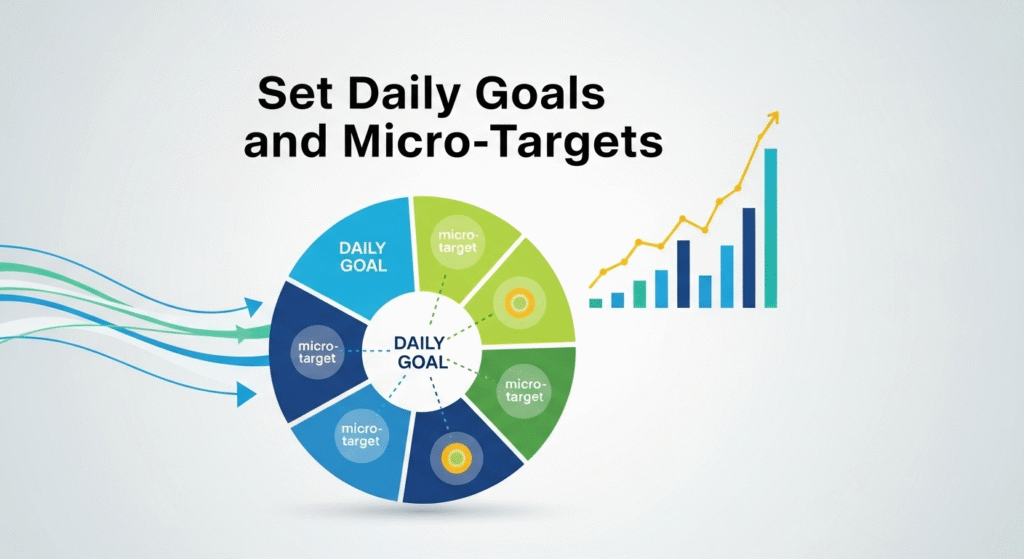
Instead of vague to-do lists, set specific, measurable goals. For example:
- Complete 50 evaluation tasks
- Review 2 quality reports
- Spend 10 minutes improving speed metrics
Breaking goals into smaller tasks gives you quick wins and maintains motivation.
4. Manage Time with the Pomodoro Technique
The Pomodoro Technique working in 25-minute bursts followed by 5-minute breaks is a proven method to maintain focus.
Steps:
- Set a 25-minute timer.
- Work on one specific evaluation task.
- Take a 5-minute break.
- After four cycles, take a longer 15–30 minute break.
This prevents burnout and keeps your energy balanced throughout the day.
5. Eliminate Digital Distractions
The biggest threat to remote evaluator focus? Notifications.
To boost work from home productivity, try:
- Turning off phone notifications during tasks.
- Using Focus Mode or Do Not Disturb on your computer.
- Installing website blockers (like Freedom or Cold Turkey) to avoid social media.
Distraction-free work periods enhance accuracy and reduce task completion time significantly.
6. Prioritize Health and Energy

You can’t be productive if you’re exhausted. Mental clarity depends on your physical health.
Energy-boosting habits:
- Eat balanced meals—avoid heavy lunches.
- Stay hydrated (aim for 2 liters daily).
- Get 7–8 hours of sleep each night.
- Take short movement breaks or stretches hourly.
Remember: Consistency in small habits builds long-term productivity resilience.
7. Use Technology Wisely
Technology can make or break your remote work efficiency.
Tools to enhance productivity:
- Clockify / Toggl – track time on specific tasks
- Grammarly / Quillbot – improve writing clarity
- Noise-cancelling apps like Krisp – block background noise
- AI note tools (like Notion AI) – summarize key evaluation data
Avoid overloading on tools; pick 3–4 that truly enhance your workflow.
8. Manage Communication & Boundaries
Remote evaluators often collaborate through chat or ticket systems. To avoid burnout:
- Set boundaries for message replies—don’t stay online 24/7.
- Use status updates (“Available,” “In Focus Mode,” “Offline”).
- Schedule specific hours for communication and collaboration.
Work-life balance is a crucial pillar of sustained work from home productivity.
9. Track Performance Metrics
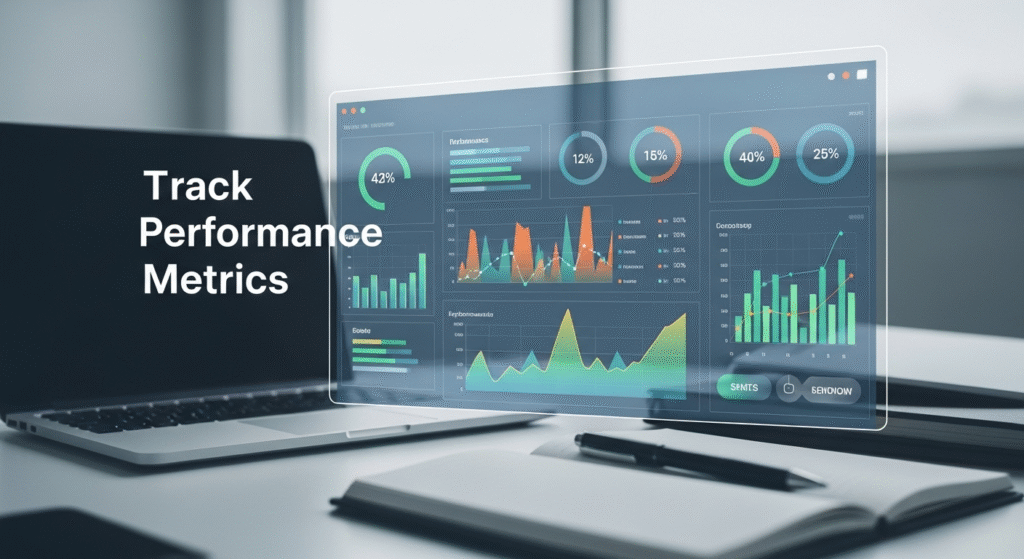
Top-performing evaluators measure their progress weekly.
Track your:
- Task accuracy rate
- Average task completion time
- Feedback from quality audits
- Payment reports
Use this data to identify strengths and fix weak areas. Self-monitoring improves accountability and career growth.
10. Stay Motivated Through Learning
Learning keeps your work fresh and engaging. Attend webinars, join remote evaluator forums, or follow productivity experts on YouTube or LinkedIn.
Benefits of continuous learning:
- Builds confidence and reduces mental fatigue
- Keeps you updated on new tools and evaluation standards
- Encourages networking with other evaluators
Investing just 15 minutes daily in learning boosts long-term efficiency and professional growth.
11. Handle Burnout Early
Feeling mentally drained or unfocused? It’s common in remote work. Recognizing early signs of burnout helps you recover faster.
Watch for:
- Loss of motivation
- Increased task errors
- Emotional fatigue
Take a day off, engage in hobbies, or simply disconnect from screens for a few hours. Productivity thrives on recovery.
12. Balance Flexibility with Accountability
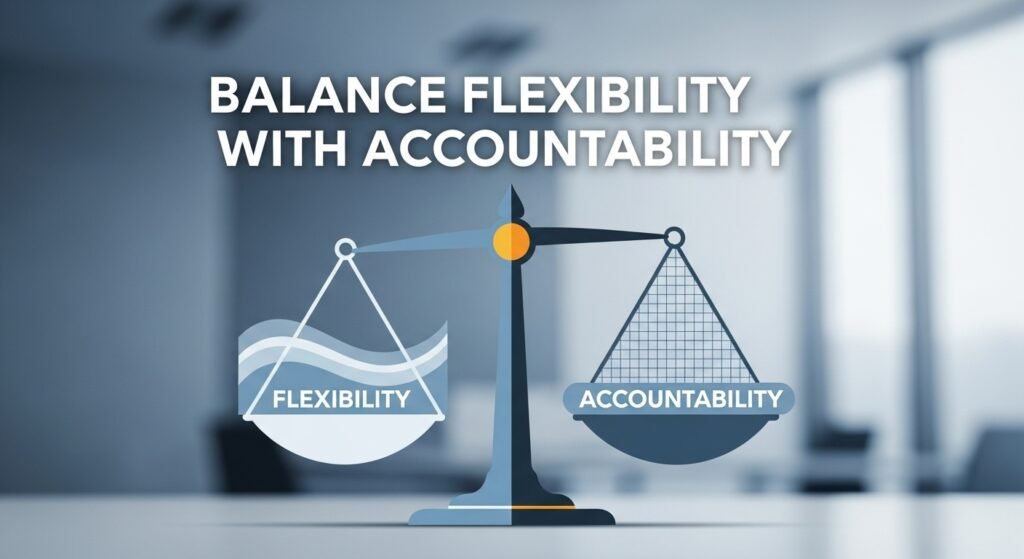
Freedom in remote jobs can easily lead to procrastination. Maintain balance by setting self-accountability systems:
- End your day with a brief reflection: What worked? What didn’t?
- Share goals with a friend or colleague.
- Use accountability groups or co-working platforms like Focusmate.
When accountability meets flexibility, consistency follows.
13. Reward Yourself for Progress
Celebrate small wins finishing a project, improving accuracy, or mastering a new tool.
Simple rewards:
- Treat yourself to coffee after a productive morning
- Take a walk after completing key tasks
- Watch a short show guilt-free after meeting targets
Rewards keep motivation high and make work enjoyable.
14. Keep Work and Personal Life Separate

Avoid mixing personal tasks during work hours. Don’t fold laundry or scroll social media mid-task. Use clear time boundaries to prevent burnout.
Effective boundaries:
- Set a “shutdown ritual” (close laptop, clean desk).
- Log out of work platforms after hours.
- Avoid checking emails late at night.
Protecting your personal time ensures long-term focus and emotional balance.
15. Stay Connected to Your Purpose
Staying connected to your purpose helps you maintain focus, motivation, and resilience, even during challenging days. When you clearly understand why you are doing your work, it becomes easier to prioritise tasks, manage distractions, and maintain consistent effort toward your goals. A strong sense of purpose also keeps you aligned with your personal and professional values, making your work feel more intentional and rewarding.
Working with purpose transforms ordinary tasks into meaningful actions. It provides a sense of direction, helping you see how daily efforts contribute to bigger objectives. This connection not only boosts productivity but also enhances satisfaction, engagement, and personal growth, ensuring that your work continues to be fulfilling over the long term.
Conclusion
Building a successful remote career starts with mastering focus, balance, and consistency. Whether you’re a remote evaluator, freelancer, or full-time home-based professional, productivity isn’t about constant hustle it’s about smart routines, mindful breaks, and intentional work habits that align with your personal energy patterns. By developing discipline and using the right digital tools, you can turn your home workspace into a powerful environment that supports both performance and well-being.
As remote work continues to shape the global job market, those who learn to adapt and stay efficient will stand out in the digital economy. Strengthen your daily systems, protect your focus, and keep refining how you manage your time. The key to long-term success lies in maintaining clarity, calm, and confidence proving that with the right habits, productivity at home isn’t just possible, it’s a long-term advantage in the modern world of work.
FAQs
1. How can I improve my focus while working from home?
Start by setting a consistent routine, defining clear work hours, and minimizing distractions. Use tools like noise-cancelling headphones and time-blocking apps to stay on task. Having a dedicated workspace also signals your brain that it’s time to focus.
2. What are the biggest challenges of remote work?
Common challenges include distractions, lack of structure, and blurred boundaries between work and personal life. Overcoming these requires strong time management, clear communication with your team, and regular breaks to maintain mental clarity.
3. How do remote evaluators stay productive without supervision?
They create self-accountability systems. For instance, tracking daily goals, using Pomodoro timers, and reviewing completed tasks help maintain consistency and motivation even without a direct manager.
4. Why is a daily schedule important for remote workers?
A daily schedule provides structure and prevents procrastination. When you plan tasks in advance, you’re more likely to stay on track and manage your time efficiently throughout the day.
5. What tools can help remote evaluators work more efficiently?
Tools like Trello, Google Calendar, and Notion help with organization, while apps like Focus To-Do or Rescue Time track progress. Combining these tools keeps you disciplined and focused.
6. How do I prevent burnout when working remotely?
Burnout prevention starts with balance. Set clear boundaries, take short walks between tasks, and schedule “unplug” hours after work. Prioritize rest, hydration, and screen breaks to keep your energy levels high.
7. Can music help me stay productive while working from home?
Yes, background music especially instrumental or ambient tracks—can boost focus and reduce stress. Avoid lyrical songs if they distract you, and explore playlists designed for concentration.
8. What’s the best way to separate work and personal life at home?
Use physical and digital boundaries. Work only in a designated space, change clothes after work, and silence work notifications outside business hours. These habits create a mental switch between roles.
9. How can remote evaluators stay motivated during long projects?
Break large tasks into smaller milestones, reward progress, and review your impact regularly. Knowing your work contributes to improving global search quality can keep motivation high.
10. What is the best tip for long-term work from home productivity?
The key is sustainability. Focus on steady routines, regular exercise, and mindful breaks. Once you find your rhythm, productivity becomes a natural part of your lifestyle no external push required.