

In 2026, becoming an expert AI model evaluation reviewer requires a deep understanding of artificial intelligence systems and their real-world performance. AI is no longer just about creating models; it’s about assessing their accuracy, fairness, and reliability across diverse applications.
An expert reviewer must combine technical knowledge with analytical skills to evaluate AI models effectively. This role focuses on identifying biases, ensuring compliance with ethical standards, and providing actionable insights to improve AI performance.
1. Understanding the Role of an AI Model Evaluation Reviewer
AI Model Evaluation Reviewers play a critical role in ensuring that AI-generated outputs are accurate, safe, and relevant for real-world applications. They follow strict guidelines to identify errors, biases, and hallucinations in AI responses, making sure the system delivers reliable results. Their evaluations help developers improve model performance and maintain user trust across various applications.
In practice, reviewers serve as the human quality-control layer between AI systems and end users. They examine thousands of prompts and scenarios to detect inconsistencies or weaknesses, providing structured feedback to engineers. To explore daily responsibilities in detail, see remote evaluator job requirements, skills you must have.
2. Why AI Evaluation Skills Matter in 2026
AI is becoming deeply integrated into industries such as healthcare, finance, education, and customer service, making accurate and safe outputs more critical than ever. Skilled AI Model Evaluation Reviewers ensure that AI systems produce reliable, unbiased, and high-quality responses. Their work prevents costly errors, misinformation, and potential harm to users or organizations.
As AI systems grow more complex, companies increasingly rely on expert reviewers to maintain ethical and legal compliance. Evaluation skills allow reviewers to spot hidden biases, hallucinations, and inaccuracies that automated systems might miss. This human oversight is essential for building trust in AI and supporting responsible deployment across diverse applications.
3. Core Skills You Need to Master
a. Analytical Thinking
You must carefully analyze AI outputs to detect errors, inconsistencies, and logic gaps. Analytical thinking helps identify hallucinations and unsafe responses efficiently. It ensures that your evaluations are accurate, consistent, and reliable.
b. AI Literacy
You should understand how LLMs, datasets, and transformers work. AI literacy helps you identify mistakes more intelligently. It also improves communication with developers.
c. Guideline Interpretation
Reviewers must understand and follow evaluation documents precisely. Clear guideline interpretation leads to accurate scoring decisions. It reduces inconsistencies between multiple reviewers.
d. Attention to Detail
Small errors can change the entire meaning of AI output. Detail-focused reviewers catch subtle biases or unsafe text. This precision is essential for high-quality evaluations.
e. Communication Skills
You must write clear feedback explaining why an output is wrong. Better communication results in faster model improvements. It also strengthens collaboration with engineering teams.
4. Technical Knowledge Required

a. Understanding NLP & LLMs
Knowing how AI generates language helps you predict common errors. It also helps you identify hallucinations and logic breaks. This leads to more accurate and fair evaluations.
b. Machine Learning Basics
Basics like training, datasets, and model behavior improve analysis. It allows reviewers to understand why outputs vary. Better understanding improves scoring accuracy.
c. AI Safety & Ethics
You must identify harmful, biased, or unsafe responses. Ethical knowledge ensures AI remains trustworthy for users. A strong moral foundation is vital for this role. For safety-focused roles, explore AI safety specialists and career paths.
5. Daily Responsibilities of an AI Model Evaluation Reviewer

a. Scoring AI Outputs
You rate AI responses based on accuracy, relevance, and safety. These scores directly influence model training quality. This is the main responsibility for most reviewers.
b. Writing Error Reports
You document issues like bias, hallucination, or guideline violations. These notes help engineers understand the problem clearly. Good reporting accelerates AI improvement.
c. Comparative Evaluation
You compare outputs from two or more AI models. This helps identify which model performs better. It is commonly used in benchmarking tasks.
d. Dataset Review
You check training datasets for quality and safety. Clean datasets reduce future model errors. Better datasets create more accurate AI systems.
Daily Tasks vs Required Skills
| Daily Task | Skills Required | Why It Matters |
|---|---|---|
| Scoring Responses | Analytical Thinking | Ensures accurate evaluation |
| Writing Reports | Communication Skills | Helps developers fix issues |
| Comparative Judging | AI Literacy | Picks the best-performing model |
| Dataset Review | Ethics + Detail | Prevents bias and unsafe outputs |
6. How to Build Experience

a. Practice with Open-Source Models
Use platforms like HuggingFace to practice real evaluations. Testing models builds a deeper understanding of AI behavior. This practical experience is valuable for interviews.
b. Take AI Evaluation Courses
Courses teach scoring techniques, annotation rules, and AI safety. They help you understand professional evaluation standards. Certified skills make you more competitive.
c. Solve Real Prompts Daily
Practice with 20–30 prompts each day to improve speed. Daily practice trains your mind to detect errors instantly. This habit prepares you for real evaluation tasks.
d. Freelance Evaluation Projects
Websites provide small evaluation tasks to build your portfolio. Working with different models improves your versatility. Freelance experience increases chances of high-paying roles.
7. Tools Every Reviewer Must Know
a. Annotation Platforms
Platforms like Scale AI, Surge AI, and DataAnnotation train you. They offer structured tasks and scoring guidelines. Mastering them increases your job-readiness.
b. Prompt Testing Tools
These tools allow you to test model responses across scenarios. They help evaluate performance, safety, and consistency. Perfect for practice and portfolio building.
c. Documentation Tools
Tools like Notion, Sheets, and Docs keep notes organized. Good documentation improves teamwork and accuracy. It also shows professionalism during job applications.
Most Popular AI Evaluation Tools
| Tool / Platform | Purpose | Skill Level |
|---|---|---|
| Scale AI | Annotation & evaluation | Beginner-friendly |
| Surge AI | High-quality evaluations | Intermediate |
| OpenAI Evals | Benchmarking models | Advanced |
| HuggingFace Spaces | Testing open models | All levels |
8. Salary Expectations in 2026
AI Model Evaluation Reviewers in 2026 can expect competitive salaries that reflect their expertise and the demand for skilled professionals. Entry-level reviewers typically earn around $18–$30 per hour, depending on experience and the complexity of tasks. As you gain more experience and specialize in areas like AI safety or multimodal evaluation, earnings increase significantly.
Experienced reviewers and senior-level experts working with leading AI labs or technology companies can earn $40–$80 per hour or more. Learn more about how much remote evaluators get paid.Freelance reviewers with strong portfolios may also command high rates on global platforms. Overall, AI evaluation is a high-demand, well-compensated career with growth potential in the coming years.
9. Career Growth Opportunities
a. AI Safety Specialist
You design rules and frameworks for safe AI usage. This role is highly respected and high-paying. Safety specialists shape the future of trusted AI.
b. RLHF Trainer
You help guide AI models using human scoring and corrections. Your evaluations are used to optimize model behaviour. This specialty is in extremely high demand.
c. AI Quality Assurance Lead
You manage teams responsible for evaluating AI outputs. This role requires leadership and strong analytical skills. It offers excellent long-term career growth.
10. How to Get Your First Job in 2026

a. Build a Portfolio
Show sample evaluations, scored prompts, and feedback reports. A strong portfolio increases your hiring chances dramatically. Companies prefer real samples over theory.
b. Apply on AI Hiring Platforms
Platforms like Data Annotation, Scale, and AI labs hire globally. Make a strong profile highlighting AI skills and experience. Consistent applications increase job success.
c. Pass Evaluation Tests
Companies give tests to measure your scoring accuracy. Practicing guidelines daily helps you pass them easily. Strong attention to detail ensures consistent scoring.
Best Platforms to Find AI Reviewer Jobs
| Platform | Type of Work | Pay Level |
|---|---|---|
| DataAnnotation.tech | Text evaluations | High |
| Scale AI | General AI tasks | Medium–High |
| Outlier AI | Safety evaluations | High |
| Remotasks (AI) | Basic annotation | Medium |
11. Future Trends in AI Evaluation
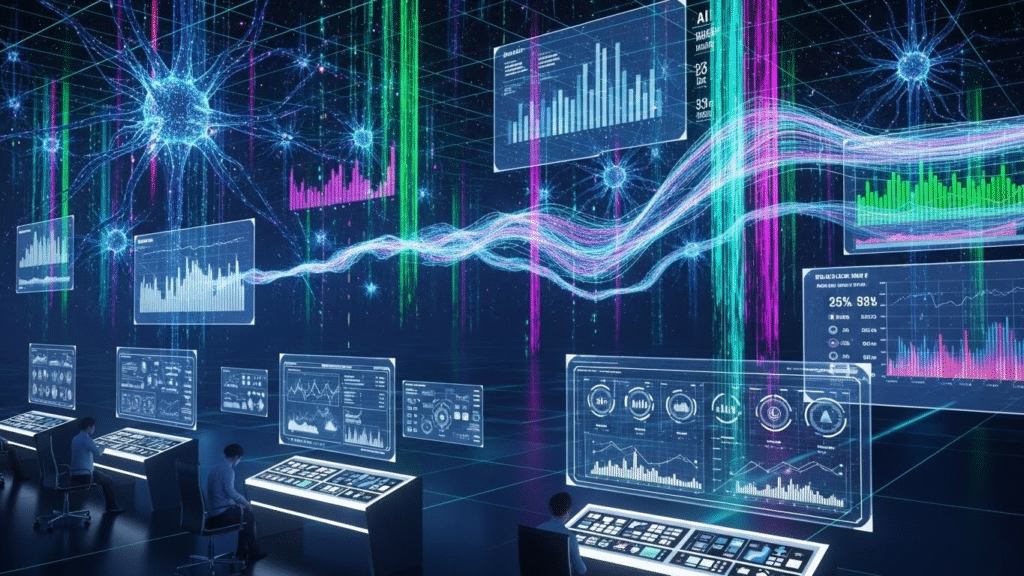
AI evaluation is moving toward a hybrid model where automated tools assist reviewers by highlighting potential errors, biases, and inconsistencies in real time. Human reviewers will focus more on oversight, ethical decisions, and final judgment, ensuring safety and quality. This approach will increase evaluation speed and accuracy while maintaining accountability.
Another major trend is multimodal evaluation, where AI systems generate text, images, audio, and video outputs. Reviewers will need to assess all formats for accuracy, relevance, and safety, requiring expanded skill sets. Multimodal expertise will become essential for future-proofing careers in AI evaluation.
Conclusion
Becoming an expert AI Model Evaluation Reviewer in 2026 requires a combination of technical knowledge, analytical skills, ethical understanding, and hands-on practice. Mastering AI fundamentals, evaluation metrics, and prompt testing ensures you can assess outputs accurately and reliably. Building a strong portfolio and gaining real-world experience are key steps toward a professional career.
As AI continues to grow across industries, skilled reviewers will play a crucial role in maintaining trust, fairness, and safety. Continuous learning, staying updated with new AI tools, and developing multimodal evaluation skills will keep you competitive. With dedication and structured training, this role offers a future-proof and high-demand career path.
FAQs
1. What does an AI Model Evaluation Reviewer do?
An AI Model Evaluation Reviewer tests AI outputs to ensure accuracy, safety, and relevance. They detect errors, biases, hallucinations, and inconsistencies while following strict evaluation guidelines. Their feedback helps developers improve AI performance and maintain user trust.
2. What skills are required to become an AI Model Evaluation Reviewer?
Key skills include analytical thinking, AI literacy, guideline interpretation, attention to detail, and strong communication. Reviewers must also understand AI safety, ethical considerations, and technical model behavior. These skills ensure accurate, unbiased, and reliable evaluations.
3. How can I gain experience as an AI Model Evaluation Reviewer?
You can practice with open-source models, participate in AI evaluation courses, and complete freelance evaluation projects. Building a portfolio of scored prompts and error reports demonstrates your expertise. Hands-on practice is essential to land professional roles.
4. Which tools are commonly used for AI evaluation?
Popular tools include Scale AI, OpenAI Evals, HuggingFace evaluation platforms, Surge AI, and LangSmith. Documentation tools like Notion or Google Docs help organize feedback. Mastering these tools increases accuracy and job-readiness.
5. What is the salary of an AI Model Evaluation Reviewer in 2026?
Entry-level reviewers can earn around $18–$30 per hour, while experienced reviewers and safety specialists earn $40–$80 per hour. Top experts working with leading AI labs may earn significantly more. Salary varies by experience, role, and location.
6. What future trends should AI reviewers be aware of?
Automation will assist reviewers by highlighting potential errors, but human oversight will remain essential. Multimodal evaluation, assessing text, images, audio, and video, will become increasingly important. Staying updated with AI tools and regulations is critical for career growth.
7. How do I start my career as an AI Model Evaluation Reviewer?
Start by learning AI fundamentals and evaluation frameworks, practicing with open-source models, and building a portfolio. Apply for entry-level positions on platforms like Scale AI, DataAnnotation, or AI labs. Consistent practice and certifications increase your chances of success.