

Curious about how much you can earn as a remote online evaluator?
Pay rates vary depending on the company, country, and the complexity of the project.
In this guide, we’ll break down average salaries for remote evaluators in 2025, explore real examples from companies like Appen and Telus International, and show you how to increase your earning potential once you pass the qualification tests.
If you’re still learning what this role involves, start with What Is a Remote Online Evaluator? it covers the job scope and required skills in detail.
Average Pay Range for Remote Evaluators (2025)
Based on data from user-reported reviews, job boards, and freelancer payouts, here’s what you can realistically expect:
| Experience Level | Estimated Pay Range | Typical Weekly Hours | Expected Monthly Earnings |
|---|---|---|---|
| Beginner | $8–$12/hour | 10–20 hrs/week | $300–$700 |
| Intermediate | $12–$18/hour | 15–25 hrs/week | $700–$1,200 |
| Experienced | $20–$25/hour | 20–30 hrs/week | $1,200–$1,800+ |
These numbers are averages, many freelancers combine multiple evaluator contracts to stabilise their income.
If you’re still looking for the right company to start with, check 10 Legit Companies Hiring Remote Online Evaluators for verified listings and starting pay rates.
How Pay Differs Between Companies
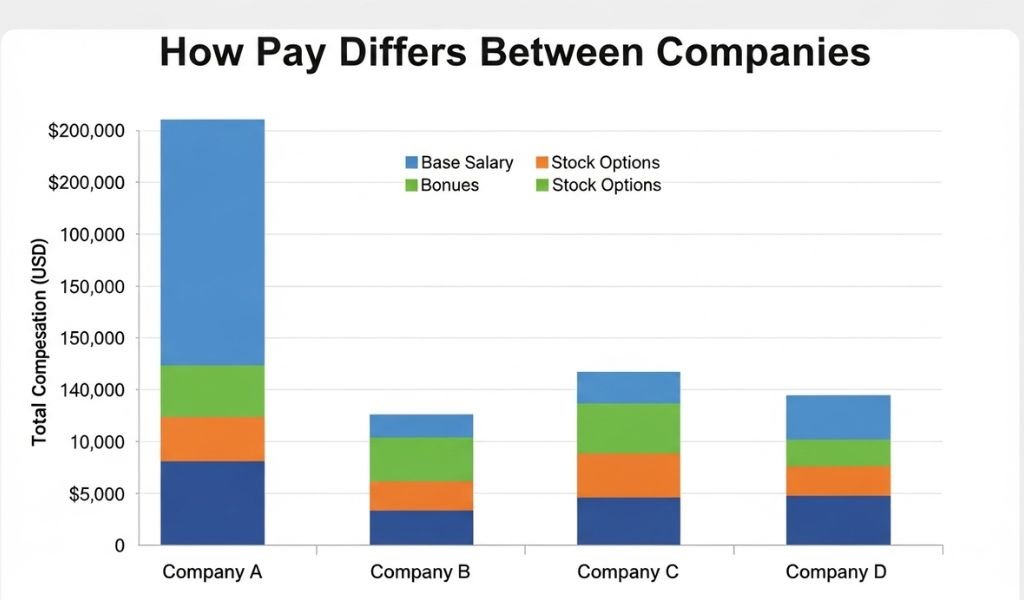
Each company structures compensation differently.
Here’s what you can expect from some of the top employers:
- Appen: Pays between $9–$20/hour depending on task type and location. Projects involving ad evaluation or linguistic expertise usually pay more.
- Telus International: Offers $12–$18/hour and consistent weekly tasks after qualification.
- RaterLabs: Focuses on U.S. contractors, typically $10–$15/hour with higher task stability.
- Teemwork.ai: Offers task-based pay, around $9–$16/hour, with multilingual bonuses.
- Clickworker: Best for beginners, with smaller micro-tasks paying $6–$12/hour.
You can compare company features side-by-side in the detailed chart within Top Companies Hiring Remote Online Evaluators.
Regional Pay Differences
Evaluator pay also depends on where you live.
Most companies pay in USD but adjust rates based on the cost of living in your region.
Here’s a general overview:
| Region | Average Hourly Pay (USD) | Notes |
|---|---|---|
| North America | $12–$20/hour | High availability, strong competition |
| Western Europe | $10–$18/hour | Stable projects, moderate cost of living |
| Eastern Europe | $8–$14/hour | Moderate rates, fewer openings |
| South Asia | $5–$10/hour | Rates lower but consistent project flow |
| Southeast Asia | $7–$12/hour | Growing demand for bilingual evaluators |
If you’re based outside the U.S. or Europe, your best chance is with global firms like Appen, Teemwork.ai, or iSoftStone.
How Bonuses and Incentives Work

Some companies offer additional perks based on accuracy or consistency.
For example, Telus International often provides small bonuses to evaluators who maintain high-quality ratings across multiple months.
Similarly, Appen sometimes rewards evaluators who complete large task volumes with “efficiency” bonuses.
You can prepare for these by following the step-by-step guide in Remote Evaluator Test: How to Pass Appen and Telus Qualification Exams, since scoring well in tests improves your initial pay rate and helps you qualify for more projects.
Factors That Affect Your Pay
Your income depends on several variables:
- Company policies: each has unique rate cards and payout schedules.
- Project type: ad evaluation and AI training typically pay higher than search rating.
- Language proficiency: bilingual evaluators earn up to 20% more.
- Accuracy rate: evaluators who consistently follow guidelines get more projects.
- Availability: working multiple platforms simultaneously ensures higher monthly income.
New evaluators can also benefit from short-term projects listed in How to Become a Remote Online Evaluator With No Experience, these smaller gigs build credibility and portfolio history.
Payment Methods and Frequency
Most companies pay monthly via Payoneer, PayPal, or direct bank transfer.
Some like Clickworker pay weekly once a minimum threshold is met.
Always verify your payment method inside the contractor portal — never share personal bank details over email.
This safety point is covered in 7 Common Remote Job Scams and How to Avoid Them, a must-read before you apply.
How to Increase Your Earning Potential

To raise your income as a remote evaluator:
- Apply for multiple roles (Appen + Telus + iSoftStone) simultaneously.
- Take advanced projects like ad analysis or AI model testing once available.
- Work during high-traffic times (weekends, early mornings).
- Keep your accuracy score above 95% to stay on the active project list.
- Join professional communities where early project notifications are shared.
If you’re struggling with productivity or focus while working remotely, use these strategies from Remote Evaluator Productivity Tips: How to Stay Focused at Home.
Real-World Example: Appen vs Telus Pay
| Company | Average Pay/Hour | Payment Frequency | Task Type | Bonus |
| Appen | $9–$20 | Monthly | Search, Ad, Data Tasks | Yes (Efficiency) |
| Telus | $12–$18 | Monthly | Ads, Search Quality | Yes (Accuracy) |
| RaterLabs | $10–$15 | Monthly | Search Evaluation | No |
| Clickworker | $6–$12 | Weekly | Micro Tasks | Rare |
You’ll notice Telus tends to offer higher consistency, while Appen has wider project diversity.
If you prefer short-term flexibility, Clickworker or Teemwork.ai might be a better fit.
Conclusion
Yes, becoming a remote evaluator is one of the simplest legitimate ways to earn from home in 2025.
While it won’t replace a full-time salary immediately, steady evaluators who manage multiple contracts often cross $1,500/month after a few months.
It’s an ideal option for students, stay-at-home parents, and freelancers looking to build remote-work experience.
Before you apply, make sure you understand the skillset required in Remote Evaluator Job Requirements: Skills You Must Have so you can position yourself for higher-paying roles.