
In today’s fast-paced digital world, data is the backbone of every business decision. But raw data alone isn’t enough someone needs to assess, clean, and analyze it to turn it into meaningful insights. That’s where remote data assessment specialists come in. These professionals work behind the scenes, often from anywhere in the world, ensuring that organizations have accurate, actionable information at their fingertips. Their role is crucial for businesses looking to stay competitive, make informed decisions, and optimize performance.
What sets successful remote data assessment specialists apart is not just technical skill, but a combination of precision, adaptability, and an eye for patterns that others might miss. From validating data to identifying trends and generating insightful reports, their expertise transforms raw numbers into powerful strategies. In this guide, we’ll uncover the key skills, tools, and strategies that make these specialists indispensable in the modern workplace.
Who is a Remote Data Assessment Specialist?
A remote data assessment specialist is a professional responsible for evaluating, cleaning, validating, and analyzing data to ensure it is accurate, complete, and ready for actionable insights. Unlike traditional data analysts who work on-site, these specialists operate remotely, using digital tools to access, review, and manage data from anywhere in the world.
Key responsibilities include:
1. Data Validation
Data validation involves carefully checking data for accuracy and consistency. Specialists cross-reference multiple sources to ensure correctness. They identify and correct errors before data is used. This process guarantees that decisions are based on reliable information. Learn more about data evaluation techniques
2. Data Cleaning
Data cleaning removes duplicates, fills gaps, and corrects errors in datasets. Specialists standardize formats to maintain consistency across all entries. They ensure that the data is organized and error-free. Clean data enables smoother analysis and reporting.
3. Data Reporting
Data reporting translates raw data into understandable insights. Specialists create visualizations, charts, and summaries for stakeholders. Reports highlight key trends, anomalies, and performance metrics. Clear reporting supports informed decision-making.
4. Data Analysis
Data analysis interprets patterns, trends, and relationships within data. Specialists use statistical and analytical tools to extract meaningful insights. Analysis helps identify opportunities, risks, and strategies. It guides businesses in making data-driven decisions.
Why Remote Data Assessment Specialists are in High Demand
Businesses are increasingly relying on remote professionals due to globalization, cost-efficiency, and the rise of cloud-based platforms. Remote data assessment specialists offer several advantages:
Cost Efficiency
Hiring remote specialists helps businesses save on expenses like office rent, utilities, and equipment, making operations more budget-friendly.
Access to Global Talent
Companies can tap into a worldwide pool of skilled professionals, ensuring they hire the best experts for accurate and high-quality data assessment.
Flexibility
Remote specialists can work across different time zones, allowing continuous workflow, faster project completion, and adaptability to urgent business need
Scalability
Businesses can quickly expand or reduce remote teams based on project demands, providing a flexible workforce without long-term hiring commitments.
Essential Skills for Remote Data Assessment Specialists
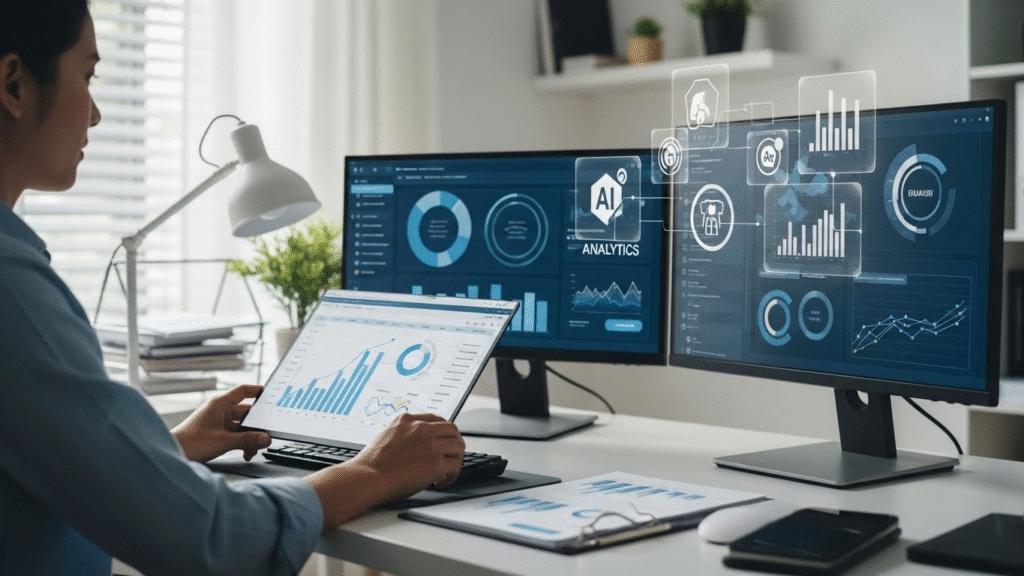
Data Analysis
Examining datasets to identify patterns, trends, and correlations that help businesses make informed decisions. Specialists use analytical tools to turn raw data into actionable insights that drive strategy and performance.
Attention to Detail
Ensuring all data entries are accurate, consistent, and error-free by detecting duplicates, inconsistencies, or missing information. This skill is critical to maintain data quality and reliability.
Technical Proficiency
Using tools like Excel, SQL, Python, and R to manipulate, organize, and analyze large datasets efficiently. Mastery of these tools allows specialists to handle complex data tasks with speed and precision. For more on tools and certifications, see remote online evaluator certification training options.
Communication
Presenting complex data insights clearly to non-technical stakeholders, ensuring everyone understands findings and recommendations. Effective communication bridges the gap between data and actionable business decisions.
Problem-Solving
Identifying data gaps, inconsistencies, or errors and implementing solutions to improve data quality. Strong problem-solving helps maintain accurate datasets and supports strategic decision-making.
Time Management
Managing multiple projects and deadlines efficiently while maintaining accuracy and attention to detail. Effective time management ensures that data assessment tasks are completed on schedule without compromising quality.
Tools and Technologies Remote Specialists Rely On
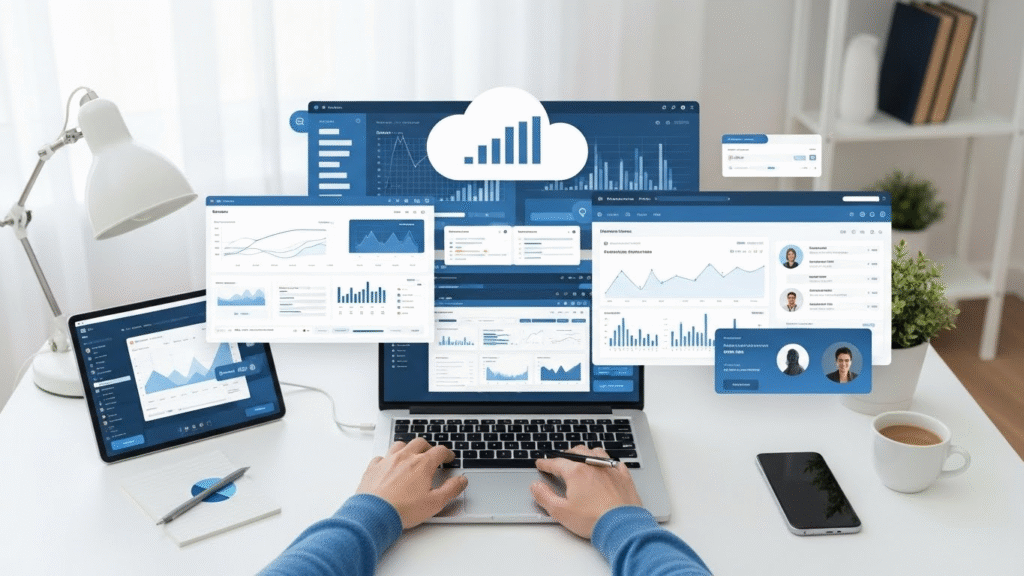
1. Data Cleaning Tools
Data cleaning tools help specialists identify and correct errors, remove duplicates, and standardize datasets. Tools like OpenRefine and Trifacta automate repetitive cleaning tasks, saving time and improving accuracy. They ensure that raw data is transformed into a reliable format suitable for analysis. Accurate data cleaning forms the foundation for trustworthy insights and reporting.
2. Data Analysis Platforms
Data analysis platforms enable specialists to explore, manipulate, and interpret large datasets efficiently. Software like Excel, SQL, Python, and R allows for advanced calculations, statistical analysis, and trend identification. These platforms help uncover patterns and insights that drive strategic business decisions. Mastery of these tools ensures precise and actionable data assessment.
3. Collaboration and Project Management Tools
Remote specialists rely on collaboration tools to communicate, organize tasks, and manage projects across teams. Platforms like Trello, Asana, Slack, and Microsoft Teams facilitate task tracking, real-time updates, and seamless teamwork. These tools keep projects on schedule and ensure everyone stays aligned, even across time zones. Efficient collaboration enhances productivity and reduces miscommunication.
4. Reporting and Visualization Tools
Reporting and visualization tools allow specialists to present data in an understandable, actionable format. Tools like Tableau, Power BI, and Google Data Studio help create interactive dashboards and visual reports. These platforms make complex datasets accessible to non-technical stakeholders. Clear visualization improves decision-making and highlights key trends effectively.
Best Practices for Remote Data Assessment Specialists
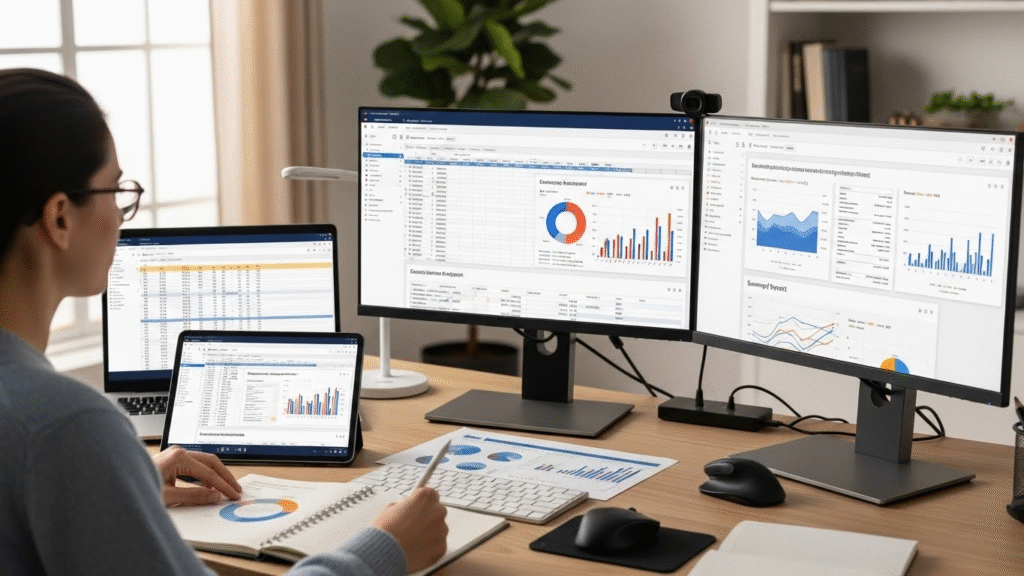
1. Maintain Data Accuracy
Remote data assessment specialists should double-check all entries and validate data against reliable sources. Consistent formatting and thorough error-checking help prevent mistakes. Using automated validation tools can further enhance precision. Accurate data ensures businesses can make informed, reliable decisions.
2. Prioritize Clear Communication
Regular updates and clear documentation are essential for remote collaboration. Specialists should explain findings in a way that non-technical stakeholders can understand. Effective communication prevents misunderstandings and keeps teams aligned. It also builds trust and credibility with clients and managers.
3. Implement Strong Data Security
Protecting sensitive data is crucial for remote work. Specialists should use secure platforms, encryption, and follow legal guidelines like GDPR or HIPAA. Regularly updating passwords and access controls adds another layer of security. Maintaining strict data security builds client confidence and avoids legal issues.
4. Optimize Workflow and Efficiency
Breaking tasks into smaller, manageable steps improves focus and reduces errors. Automating repetitive tasks saves time and enhances productivity. Prioritizing high-impact activities ensures deadlines are met without compromising quality. Efficient workflows allow specialists to handle larger datasets and multiple projects seamlessly.
5. Commit to Continuous Learning
The data field is constantly evolving with new tools and technologies. Specialists should regularly upskill in areas like advanced analytics, AI, or machine learning. Learning from past projects and feedback helps refine processes. Continuous learning ensures specialists stay competitive and deliver top-quality results.
For tips on avoiding errors in online evaluation, refer how to become a successful remote online evaluator in 2026.
Challenges Faced by Remote Data Assessment Specialists
Working remotely in data assessment comes with its own set of challenges. Successful professionals know how to navigate them:
| Challenge | Solution |
|---|---|
| Data Security Concerns | Use VPNs, encryption, and secure cloud storage. |
| Communication Gaps | Schedule regular video calls and maintain written updates. |
| Time Zone Differences | Plan overlapping work hours and set clear deadlines. |
| Data Overload | Prioritize tasks and use data management tools to organize workflows. |
| Isolation & Motivation | Join online communities, attend webinars, and set daily goals. |
Secrets of Top Performing Remote Data Assessment Specialists

1. Master Automation
Top-performing specialists use automation tools and scripting languages like Python or R to handle repetitive tasks. This increases efficiency, reduces errors, and frees up time for deeper data analysis. By automating data cleaning, validation, and reporting, they can focus on extracting meaningful insights. Automation also helps maintain consistency across large datasets, improving overall accuracy.
2. Strong Analytical Thinking
Exceptional specialists go beyond basic data handling—they identify patterns, trends, and correlations to provide actionable insights. Analytical thinking allows them to understand the “why” behind the numbers. This skill helps businesses make data-driven decisions that improve performance. Specialists combine technical analysis with strategic thinking for maximum impact.
3. Effective Communication
Top performers communicate their findings clearly to both technical and non-technical stakeholders. They create reports, dashboards, and visualizations that make complex data understandable. Good communication ensures that insights lead to informed decision-making. It also builds trust and credibility within teams and with clients.
4. Continuous Learning and Adaptability
Successful specialists stay updated with emerging tools, technologies, and best practices in data assessment. They adapt quickly to new platforms, software, or methodologies. Continuous learning improves efficiency, accuracy, and competitiveness. Being adaptable ensures they can handle evolving datasets and changing business needs effectively.
Career Growth Opportunities

1. Data Analyst or Data Scientist
Remote data assessment specialists can advance into data analyst or data scientist roles, focusing on deeper insights and predictive analytics. They apply statistical models and machine learning techniques to extract trends and patterns. These roles involve designing experiments, interpreting complex datasets, and generating actionable business strategies. Career progression in this path opens opportunities for higher responsibility and specialized expertise.
2. Project Manager
Specialists with experience can transition into project management roles, overseeing multiple data assessment projects. They coordinate teams, manage timelines, and ensure quality standards are met. Strong organizational and leadership skills are essential in this role. This path allows professionals to influence strategy and decision-making across larger business operations.
3. Consultant
Becoming a data assessment consultant allows specialists to offer expert services to multiple clients across industries. They provide strategic guidance, optimize data processes, and implement best practices. This role requires in-depth knowledge of tools, industry standards, and client needs. Consultants enjoy flexible work arrangements, higher earning potential, and diverse project exposure.
4. AI & Machine Learning Specialist
Specialists can also specialize in AI and machine learning, using algorithms to automate data assessment and predictive modelling. They design intelligent systems that analyze large datasets with minimal human intervention. This career path demands advanced technical skills in programming, AI frameworks, and statistical modelling. It offers opportunities in cutting-edge technology projects and high-demand industries.
Tips for Businesses Hiring Remote Data Assessment Specialists
1. Assess Technical Competence
Before hiring, evaluate the specialist’s proficiency with essential tools like Excel, SQL, Python, and data visualization software. Technical competence ensures they can handle large datasets efficiently and accurately. Request examples of past projects or assessments to verify their skill level. This step reduces errors and increases productivity from the start.
2. Evaluate Communication Skills
Remote work requires clear and consistent communication. Ensure the specialist can explain complex data insights in simple terms to non-technical stakeholders. Ask for sample reports or conduct mock presentations during the hiring process. Strong communication prevents misunderstandings and enhances collaboration across teams.
3. Set Clear Expectations
Define the roles, responsibilities, and performance metrics from the beginning. Establish project deadlines, reporting formats, and key performance indicators (KPIs). Clear expectations reduce confusion and provide a benchmark for evaluating success. It also ensures the specialist aligns with your company’s workflow and standards.
4. Prioritize Data Security
Remote data assessment specialists often handle sensitive information, so security is critical. Require adherence to secure platforms, encryption, and compliance with data privacy regulations like GDPR or HIPAA. Regularly monitor access permissions and data handling practices. Prioritizing security protects your business from potential breaches and legal issues.
5. Provide Training and Support
Even skilled specialists may need guidance on your company’s specific datasets or industry standards. Offer onboarding, tutorials, and documentation to help them adapt quickly. Continuous support and feedback improve performance and reduce errors. Investing in training ensures long-term efficiency and successful project outcomes.
Check legit companies hiring remote online evaluators for recruitment examples.
Future of Remote Data Assessment

The future of remote data assessment is set to grow rapidly as businesses increasingly rely on data-driven decision-making. With the rise of cloud computing, AI, and machine learning, remote specialists will have access to more advanced tools that automate data validation, cleaning, and analysis. This will not only improve efficiency but also enhance accuracy, allowing organizations to process larger datasets faster and extract deeper insights. As remote work becomes more widespread, companies will continue to tap into global talent pools, making data assessment services more accessible and scalable.
Moreover, the demand for secure and compliant data handling will increase as regulatory requirements evolve. Remote data assessment specialists will need to stay updated on data privacy laws and best practices, ensuring sensitive information is protected. Continuous learning and adaptability will become essential skills, as specialists integrate new technologies and methodologies into their workflows. Overall, the future promises a more streamlined, intelligent, and strategic approach to remote data assessment, driving better business outcomes across industries.
Conclusion
In conclusion, remote data assessment specialists play a pivotal role in today’s data-driven world, ensuring that organizations maintain accuracy, efficiency, and reliability in their operations. Their expertise in data validation, cleaning, reporting, and analysis allows businesses to make informed decisions quickly, reducing errors and improving overall performance. By leveraging advanced tools and maintaining a meticulous approach, these specialists bridge the gap between raw information and actionable insights.
Looking ahead, the demand for skilled remote data assessment specialists is only set to grow as companies increasingly rely on remote workflows and digital platforms. For professionals in this field, continuous learning, adaptability, and attention to detail remain essential for success. Organizations that recognize and harness the value of these specialists can gain a competitive edge, making data-driven strategies more effective and impactful than ever before.
FAQs
1.What does a remote data assessment specialist do?
A remote data assessment specialist validates, cleans, and analyzes data to ensure accuracy and reliability. They generate reports that help organizations make informed, data-driven decisions efficiently.
2.What skills are essential for a remote data assessment specialist?
Key skills include attention to detail, proficiency in data management tools, analytical thinking, and strong communication. Adaptability and problem-solving are also crucial in remote settings.
3.Why are remote data assessment specialists important for businesses?
They help maintain data integrity, reduce errors, and optimize business processes. Their insights enable organizations to make faster and smarter decisions in a competitive market.
4.How can someone become a successful remote data assessment specialist?
Success comes from mastering data tools, developing analytical skills, staying updated with industry trends, and consistently delivering accurate and actionable insights.
5.What challenges do remote data assessment specialists face?
Common challenges include managing large datasets, ensuring data quality, coordinating with remote teams, and adapting to rapidly changing technologies.