
Finding legit work from home jobs has become a top priority for millions of professionals seeking flexibility, better work life balance, and freedom from daily commutes. While the remote work landscape offers countless opportunities, distinguishing genuine positions from scams remains a critical challenge for job seekers navigating this evolving market.
The demand for authentic remote employment has surged dramatically, with legitimate companies across industries from tech giants to healthcare providers now offering fully remote positions. Understanding where to find verified work from home opportunities, what red flags to avoid, and which roles offer sustainable income can transform your career path while protecting you from fraudulent schemes that prey on remote work seekers.
What Makes a Remote Job Website Legit
Before jumping into specific sites, let’s clarify what criteria make a remote job website trustworthy.
Key legitimacy markers
- Listings clearly labelled as remote / work-from-home / anywhere (not “remote” when it’s actually hybrid or in-office).
- Minimal or no fees for job‐seekers (most legit boards don’t charge you just to apply).
- Evidence of vetted listings (jobs checked for authenticity, no obvious scams).
- Clear filters: by time-zone, by remote vs hybrid, by country eligibility.
- Transparent about companies, roles, and what is required.
- Up-to-date content and recent listings (not stale old posts).
Additionally, trusted platforms often share educational content and career guides. For example, professionals looking to enter AI evaluation roles can explore this online performance evaluator to better understand requirements and expectations. By using the above yardsticks, you can weed out boards that publish lots of low-quality or even scam listings. Many of the platforms below score well.
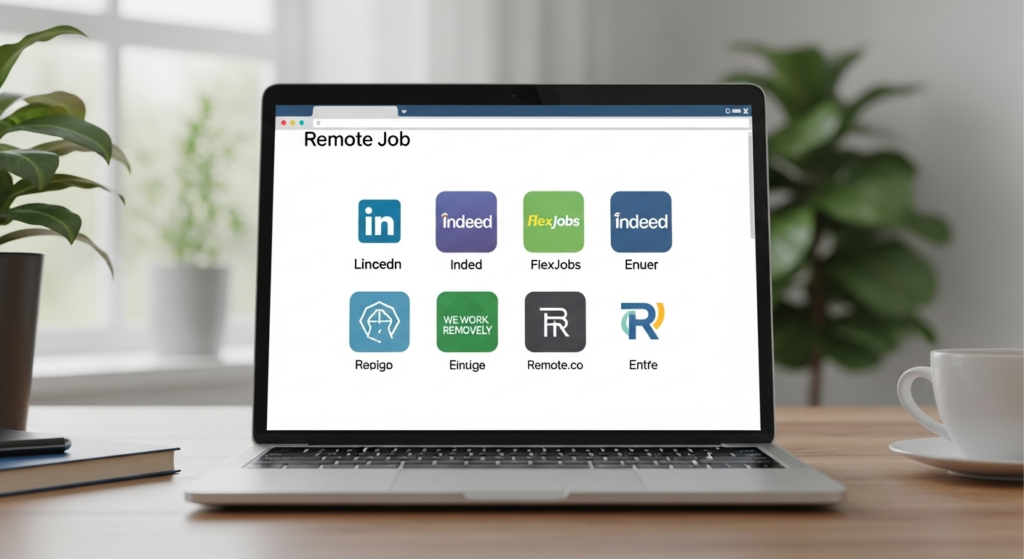
9 Best Websites for Legit Remote Jobs
1. Remote Online Evaluator
Remote Online Evaluator is one of the fastest-growing legit remote jobs websites in 2026, specialising in verified AI evaluation, remote work, and global freelance opportunities. The platform focuses on connecting professionals with trusted companies hiring for roles such as AI evaluator, content reviewer, search engine evaluator, data annotator, and other remote-first digital positions.
What makes Remote Online Evaluator unique is its focus on authenticity and transparency. Every opportunity shared is carefully reviewed to ensure legitimacy, helping job seekers avoid scams and misleading offers. The platform also provides guidance, application tips, and insights into remote hiring trends, making it ideal for beginners and experienced professionals alike.
Whether you’re starting your remote career or looking to transition into AI-related remote roles, Remote Online Evaluator offers a safe and reliable environment to find genuine work-from-home opportunities.
2. Remote.co
Remote.co is a specialized platform dedicated entirely to remote-first companies and global professionals. It features full-time, part-time, and freelance roles across industries like customer support, design, writing, and tech. What makes it unique is its focus on companies that truly embrace remote culture not just those offering temporary flexibility.
Beyond listings, Remote.co provides valuable insights for both job seekers and employers. Its blog and Q&A section share practical advice on working remotely, managing teams, and maintaining productivity. This makes it not only a job board but also an educational resource for anyone serious about building a remote career.
3. We Work Remotely
We Work Remotely (WWR) is one of the world’s largest and oldest platforms for finding legit remote jobs. Trusted by big names like Basecamp, Zapier, and GitHub, it offers thousands of listings in fields like programming, design, writing, and marketing. The simple interface and category-based navigation make it easy to find relevant roles fast.
What sets WWR apart is its strong focus on community and quality. It regularly features resources, company spotlights, and remote job guides that help professionals stay competitive. For anyone seeking a stable and global platform with proven credibility, We Work Remotely is a must-visit.
4. Remote OK
Remote OK is a favorite among tech-savvy professionals for its clean layout and AI-powered filters. Each job listing is tagged with key details like experience level, pay range, and region preference, so you can instantly spot the best matches. The site is especially popular for tech, startup, and creative positions.
It also provides real-time salary insights and hiring trends, giving job seekers a better understanding of market demand. Remote OK’s transparency and smart job-matching tools make it one of the most efficient platforms for finding remote roles in 2026.
5. Remotive
Remotive is both a job board and a thriving community for remote workers. It curates handpicked roles from verified companies and offers a friendly, supportive environment for job seekers. Listings often include flexible positions in marketing, design, customer support, and software development.
Beyond jobs, Remotive offers newsletters, salary reports, and a private Slack group where remote professionals network and share opportunities. It’s ideal for those who want not just a job but also a sense of connection and collaboration while working remotely. If you’re planning to work in AI evaluation or digital reviewing, understanding how human reviewers improve AI accuracy is important. You can learn more in this guide on human feedback improves AI model accuracy.
6. Jobspresso
Jobspresso is a curated platform known for its quality-over-quantity approach. Every listing is manually reviewed and approved, covering roles in marketing, tech, customer support, and project management. Top remote-first employers like WordPress and Hotjar frequently post here.
The platform also allows job seekers to upload their résumés, helping employers discover qualified talent easily. With its focus on verified roles and professional presentation, Jobspresso is perfect for serious candidates seeking legitimate and well-paying remote work.
7. Working Nomads
Working Nomads caters to freelancers, travelers, and digital nomads who value flexibility and independence. It compiles remote job listings from multiple sources and delivers them directly to your inbox through customized email alerts. Most roles are in IT, design, and marketing.
This platform is a great time-saver for professionals who don’t want to browse multiple job boards daily. By focusing on convenienceand curation, Working Nomads helps you stay updated on the latest remote opportunities with minimal effort.
8. LinkedIn Remote Jobs
LinkedIn Remote Jobs combines professional networking with job searching, making it one of the most powerful tools for remote professionals. By filtering listings to Remote or Hybrid, you can easily find global opportunities tailored to your skills and interests.
The platform’s real advantage is its networking power you can connect directly with recruiters, follow companies, and gain credibility through recommendations and endorsements. With millions of verified listings and a trusted reputation, LinkedIn remains a go-to platform for remote job seekers in 2026.
9. FlexJobs
FlexJobs is one of the most trusted legit remote jobs websites in 2026, known for its strict vetting process and scam-free listings. Every job posted is manually reviewed by experts, ensuring only genuine opportunities from verified employers. The platform covers a wide range of industries, including writing, marketing, design, customer service, and IT making it ideal for professionals at any career stage.
What makes FlexJobs stand out is the value it adds beyond job listings. It offers career coaching, résumé reviews, and webinars to help you stand out in competitive remote hiring markets. While it requires a small subscription fee, users find it worth the investment for the quality and safety it guarantees.
How to Use These Sites Effectively

Listing platforms is one thing succeeding at getting a remote job is another. If you’re targeting AI-related remote roles, start by learning about remote evaluator skills so you can tailor your applications properly.
Here are actionable steps.
1. Clarify your remote work goals
Ask:
- Do I want fully remote (anywhere) or hybrid/remote-friendly?
- Which time-zones am I okay working in (e.g., US EST, EMEA, APAC)?
- What type of role am I targeting (technical, customer service, writing, etc)?
- Is it full-time, part-time, freelance/contract?
Set these upfront so you apply more selectively.
2. Choose 2-3 boards and subscribe
Don’t try all at once. Choose the boards that match your domain and preference, sign up for alerts, and monitor them daily. For instance:
- For technical roles: Remotive, We Work Remotely, Remote OK
- For general remote roles: FlexJobs, Remote Rocketship
- For learning remote-work norms: Remote.co
3. Set up filters and alerts
On each site:
- Filter by “remote” or “anywhere”.
- Filter by your skill/role, by region/time-zone eligibility, and if possible by salary.
- Set email alerts for new postings matching your criteria so you can apply early (remote jobs move fast).
4. Tailor your application
Remote roles often emphasize self-motivation, communication skills, time-zone fit, remote-tools familiarity. So:
- Update your resume with remote-work keywords (e.g., asynchronous communication, distributed team, Slack/Zoom/Teams).
- In cover letters or emails, mention your remote-work experience (even if freelance) or how you’ve managed time-zones, independent work.
- Be ready for remote-interview scenarios (video call, possible skills test, timezone overlap).
5. Vet each listing
Even on “legit” sites there can be misleading or low-quality listings. Before applying:
- Check the company website, role description, remote terms (time-zone, benefits).
- Beware roles that promise “great money from home” but lack specific role-details or mention paying you to recruit or buy equipment.
- Confirm if “remote” means “work from home from anywhere” or “work from home if you live in USA/Canada only”.
6. Track your applications and follow-up
Keep a simple spreadsheet: site, role title, company, date applied, follow-up date, outcome.
Remote roles often generate high applicant volume you’ll need to keep organised.
Common Mistakes to Avoid

Even when using trusted platforms, many job seekers unknowingly make mistakes that slow down their remote job search. Here’s what to watch out for and how to fix it.
1. Applying Without Research
One of the biggest errors is applying blindly to every job posting. Always research the company, check its official website, and read reviews before sending your résumé. This ensures you only invest time in legitimate employers who align with your goals.
2. Ignoring Time-Zone or Country Restrictions
Not all “remote” jobs are open globally. Some require candidates in specific countries or time zones. Ignoring these details can waste your time and lead to automatic rejection, so always confirm eligibility before applying.
3. Falling for Fake Recruiters
Scammers often impersonate recruiters through fake emails or social media messages. Never share personal information, banking details, or upfront payments for “equipment.” Legit employers never charge applicants to get hired.
4. Neglecting Soft Skills
Remote work isn’t just about technical ability it’s about communication, self-discipline, and teamwork across time zones. Failing to highlight these soft skills in your application or interview can make you seem less suited for remote collaboration.
5. Applying Everywhere Blindly
Quantity doesn’t beat quality. Submitting hundreds of generic applications rarely works. Instead, focus on 5–10 tailored applications per week, where your skills and experience perfectly match the job requirements.
Why Remote Work Still Matters in 2026

In 2026, remote work isn’t just a temporary trend it’s a fundamental shift in how professionals and businesses operate. Even as many companies return to hybrid setups, the demand for flexibility, better work-life balance, and location independence continues to grow. Professionals are no longer choosing jobs based solely on salary; they’re prioritizing freedom, mental health, and meaningful work. For many, the ability to work from home means more time for family, fewer commute hours, and the chance to design a lifestyle that fits their personal goals.
From a business perspective, remote work remains a major competitive advantage. Companies can now hire top talent globally, reduce office costs, and operate around the clock through distributed teams. This global access to skills and diversity fuels innovation and productivity. As technology continues to evolve with faster internet, smarter collaboration tools, and AI-driven workflows remote jobs websites are becoming the bridge between talent and opportunity. Simply put, remote work in 2026 isn’t fading away it’s evolving into the smarter, more sustainable way to work.
Conclusion
As remote work continues to evolve in 2026, the need for trusted and transparent platforms has never been greater. The legit remote jobs websites listed above from FlexJobs and Remote.co to LinkedIn Remote Jobs give professionals access to verified opportunities across industries and time zones. Whether you’re a beginner seeking flexible work or an experienced expert looking for international roles, these platforms ensure a safer, smarter, and more efficient job search experience.
The key is to focus on quality, not quantity. Use these websites to target roles that truly align with your skills, lifestyle, and career goals. Remote work isn’t just about working from home it’s about designing a balanced, independent, and fulfilling career. By choosing the right job boards and staying consistent, you can turn your remote job search into a long-term success story in 2026 and beyond.
FAQs
1. Which website is best for finding legit remote jobs in 2026?
FlexJobs is widely considered the best website for finding legit remote jobs in 2026. It hand-screens every listing, ensuring there are no scams or fake recruiters. Other trusted sites include Remote.co, We Work Remotely, and LinkedIn Remote Jobs, all known for verified postings and reputable employers.
2. Are remote job listings on free websites safe?
Yes, but with caution. While many free websites post genuine opportunities, some can contain scams or fake listings. Always research the company, check reviews, and avoid sites that ask for payments. Platforms like Remote OK, Remotive, and Jobspresso are free yet reliable options trusted by professionals worldwide.
3. Do I need to pay to apply for remote jobs?
No, you don’t need to pay to apply for most remote jobs. However, platforms like FlexJobs charge a small membership fee to ensure every listing is verified and scam-free. The fee helps maintain quality control — giving you peace of mind and access to legitimate, high-paying remote opportunities.
4. What type of jobs can I find on remote job websites?
You can find a wide range of roles across industries such as IT, design, writing, marketing, customer service, project management, and data analysis. Sites like We Work Remotely and Remote.co offer both full-time and freelance opportunities, making it easy to find jobs that fit your skills and schedule.
5. How can I avoid scams when applying for remote jobs?
Always verify the company’s official website and never share personal details like banking info or passwords. Avoid listings that promise high pay for little work or require upfront payments. Trusted platforms such as FlexJobs and Jobspresso pre-screen listings to protect you from fraud.
6. Which remote job site is best for beginners?
For beginners, LinkedIn Remote Jobs and Remote OK are great starting points. They have easy-to-use filters, verified employers, and entry-level opportunities. FlexJobs is also ideal if you want personalized support and scam-free listings while learning the ropes of remote work.
7. How can I increase my chances of getting a remote job?
Tailor your résumé to highlight remote-friendly skills like communication, time management, and self-discipline. Apply on trusted platforms and personalize each application. Networking on LinkedIn and staying active in remote communities like Remotive can also improve your visibility to employers.
8. Are remote jobs still in demand in 2026?
Yes remote jobs are thriving in 2026. Many global companies now operate fully remote or hybrid teams to attract top talent and reduce costs. With better tools, AI automation, and digital collaboration platforms, remote work continues to grow as the future of employment.